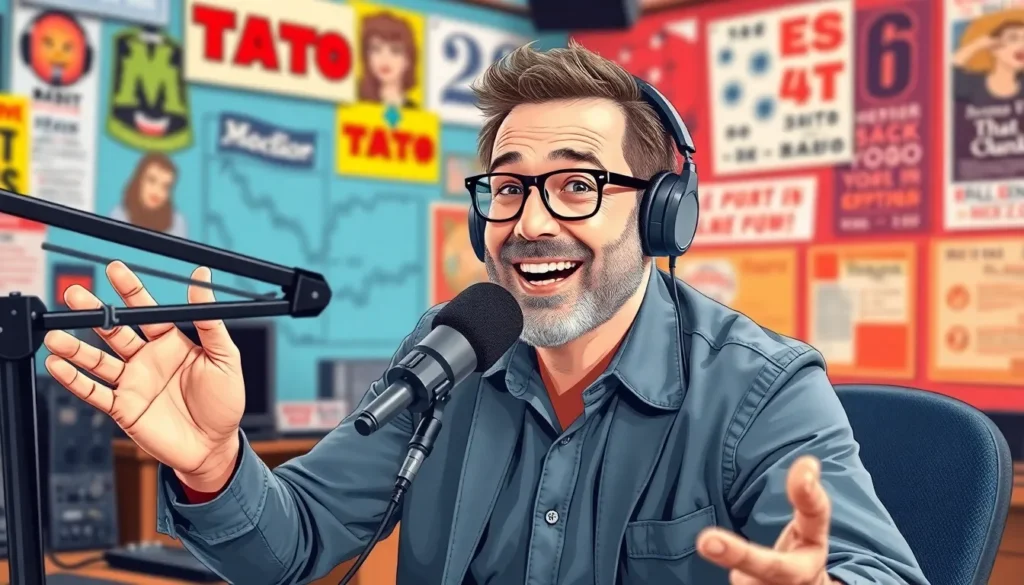

Let’s face it: we love our talk shows. Whether we fancy late-night laughs or daytime drama, these shows have been a staple in our living rooms. They serve up everything from celebrity gossip to heartfelt stories, all wrapped in a tight one-hour package. With a sprinkle of humor and a dash of intrigue, we’ve all found ourselves glued to a screen, chuckling or gasping at what unfolds. So, why are we so captivated by this unique blend of entertainment? Buckle up, as we explore the evolution, genres, impact, and challenges of talk shows in the TV landscape today.
The Evolution Of Talk Shows
We can trace the journey of talk shows back to the 1950s when the concept was born out of a need for something fresh and engaging. Initially, these shows were simple interviews. They set the stage for vibrancy in media, where celebrities and everyday people connected with audiences in a way that was tantalizing. The famed “The Tonight Show” was among the first to carve out this niche, featuring lively chats that became a nightly ritual for many.
As we moved into the 80s and 90s, the landscape shifted dramatically. The likes of Oprah Winfrey and Jerry Springer completely redefined the genre, infusing it with emotional stories and often controversial topics that drew audiences in. This period spotlighted the potency of honesty and vulnerability, allowing viewers to find themselves in the stories being told. Who knew a seating arrangement could draw us into the lives of complete strangers?
These shows adopted various formats, evolving from interviews to interactive segments, and we saw the rise of the celebrity appearance. Today, we’re part of a dynamic tradition that mixes charisma with candidness.
Genres And Formats
Talk shows today come in a multitude of forms, catering to diverse tastes and interests. From the classic formats of one-on-one interviews to panel discussions and stand-up comedy, we’re drawn in by variety. Major genres include:
Late-Night Talk Shows: These are our go-to guilty pleasures, often featuring monologues, sketches, and celebrity interviews. Hosts like Jimmy Fallon and Stephen Colbert keep us chuckling late into the night.
Daytime Talk Shows: These tend to focus on various life topics, including health, family struggles, or celebrity news. Programs like “The Ellen DeGeneres Show” have become synonymous with positivity, showcasing inspirational stories.
News and Political Talk Shows: In this ever-changing world, we turn to programs like “The View” or “Real Time with Bill Maher” for commentary and discussions on current events.
Docuseries and Reality Formats: With the rise of reality television, some talk shows incorporate real-life stories or situations. Shows like “The Dr. Phil Show” provide solutions to real-world problems.
Impact On Society And Culture
The influence of talk shows extends far beyond entertainment: they shape public perception and societal norms. We’ve seen important social issues brought to light in the warm glow of a studio spotlight. For instance, discussions on mental health, LGBTQ+ rights, and racial equality have emerged from these platforms, prompting conversation and change.
Besides, these shows often serve as a reflection of our cultural zeitgeist. They adapt to the prevailing mood of society, giving us a lens through which to view our own experiences. Whether it’s the rise of social media’s influence or responses to global events, talk shows have a knack for addressing what’s trending, making us feel heard in the process.
Let’s not forget about the sometimes precarious nature of their influence. While they can educate and unite, they can also misinform or sensationalize issues, which raises questions about responsibility in such a powerful media space.
Popular Talk Shows Today
In our current TV landscape, several talk shows stand out as fan favorites. Some of the most popular include:
The Ellen DeGeneres Show: Ellen’s wholesome humor and kind-hearted approach have endeared her to audiences worldwide, promoting positivity.
The Late Show with Stephen Colbert: Colbert’s wit and sharp political commentary resonate with viewers seeking both laughter and insight into current affairs.
The Tonight Show Starring Jimmy Fallon: With games, sketches, and engaging interviews, Fallon knows how to keep us entertained while interacting with current pop culture.
The View: This show highlights diverse perspectives, bringing together women from varying backgrounds to discuss pressing issues.
The Daily Show: Its blend of satire and news uniquely captures both current events and popular culture, keeping us in the know while we laugh.
Challenges Facing Talk Shows
Even though their popularity, talk shows face a myriad of challenges today. One significant hurdle is maintaining viewer engagement in an era of diminishing attention spans. With the influx of streaming platforms and digital content, we often pick and choose what to watch, making it tougher for traditional talk shows to hold our attention.
Also, the quest for content becomes ever more challenging. As societal norms evolve, so does the content that resonates with us. Talk show producers must adapt quickly, shifting tones and topics to stay relevant, often walking a fine line between engaging and alienating viewers.
Finally, competition is fiercer than ever. The rise of podcasts and YouTube channels provides alternative platforms for commentary, which pushes traditional talk shows to innovate and elevate their format each season.
The Future Of Talk Shows
Looking ahead, we can only wonder what the future holds for talk shows. As we embrace technology, interactive elements may become more prevalent. Picture live streaming events where we, the audience, participate directly in discussions through social media platforms.
Besides, as society continues to diversify, we’ll likely see more representation in hosts and guests, amplifying voices that were once marginalized in mainstream media. Inclusivity could become a hallmark feature, leading to richer conversations that reflect our collective experiences.
In this unpredictable landscape, one thing is for certain: as long as we crave connection, stories, and laughter, there will always be a place for talk shows in our lives.